The Daisy Colored Floral Wreath: A Digital Asset for Creative Workflows
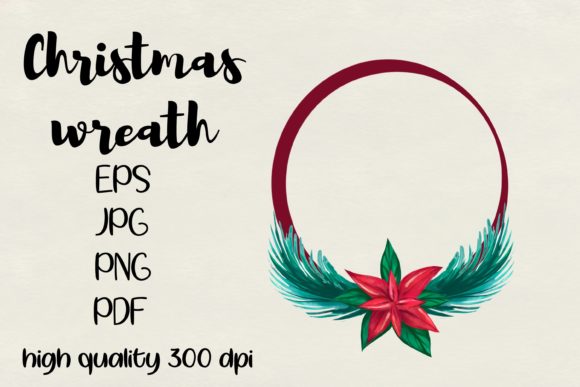
The Daisy Colored Floral Wreath is more than a simple image; it is a versatile digital design file, a ready-made component for a multitude of creative and commercial processes. This delicate, outlined illustration, which elegantly combines nature and beauty into a cohesive wreath, arrives as a comprehensive digital asset pack. Typically, you receive a ZIP file containing an EPS file with editable layers, a SVG file, a PNG file with a transparent background at 300 dpi, a DXF file, and a PDF file. This multi-format approach is not an accident—it is a cornerstone of its utility, enabling seamless integration into diverse workflows from initial concept to final product.
Integrating the Asset into Your Production Pipeline
For professionals, creators, and small business owners, efficiency and consistency are paramount. The Daisy Colored Floral Wreath fits into a workflow at the asset acquisition and preparation stage. Before a project like designing a seasonal marketing campaign or a new product line begins, sourcing high-quality, adaptable graphics is a critical step. This wreath design, provided in layered and vector formats, acts as a pre-vetted asset. It bypasses the need for custom illustration from scratch, saving significant time in the initial phases of project planning. Its inclusion immediately standardizes a visual motif, ensuring a consistent aesthetic across different outputs.
Consider a freelance designer preparing a client’s brand refresh for a boutique. The Daisy Colored Floral Wreath can be imported directly into Adobe Illustrator or similar software via the EPS or SVG file. The editable layers allow for quick color adjustments to match a new brand palette, or for the isolation of specific floral elements for secondary graphics. This preparatory work, done before the main design layouts are built, establishes a library of consistent elements, enhancing both organization and speed during the execution phase.
Practical Applications and Tool Compatibility
The statement that this design is perfect for creating shirts for sublimation, mugs, stickers, personal use designs, prints, and signs using a Cricut or Silhouette machine is a direct map to its implementation points. Each file format serves a specific tool in this ecosystem.
The SVG and DXF files are primarily for computer-controlled cutting machines like Cricut and Silhouette. In a workflow for a small e-commerce business selling decals, the designer would use the SVG in design software (like Silhouette Studio) to set up the cut lines. The high-resolution PNG with transparent background is simultaneously used on the website and social media to showcase the final product mock-up. This parallel use of different file types from the same asset pack demonstrates how it interacts with multiple platforms and output mediums simultaneously, maintaining quality control from digital design to physical product.
For sublimation printing on shirts or mugs, the PNG file at 300 dpi is crucial. This resolution ensures the detail of the outlined illustration remains sharp when transferred onto fabric or ceramic. A workflow here involves the graphic being placed into a template in sublimation-specific software, often after minor tweaks using the EPS file layers to ensure optimal placement and color vibrancy for the specific substrate. The process underscores the importance of asset preparation: having a file with a transparent background eliminates the need for tedious manual cropping, directly improving efficiency and final quality.
Long-Term Usability and Project Evolution
A key advantage of a well-structured digital asset like the Daisy Colored Floral Wreath is its long-term value within a creator’s resource library. After its initial use in a project, it remains a reusable component. For a blogger or educator creating seasonal content, the wreath can be employed annually for spring or summer-themed materials, with slight modifications each year using the editable layers. This promotes organization, as one core asset replaces the need to source new graphics repeatedly, and ensures brand or style consistency over time.
Furthermore, its compatibility with standard software (from vector editors to cutting machine platforms) speaks to its role in a scalable workflow. An entrepreneur might start by using the design for personal use projects on a home cutter. As their business grows, the same SVG file can be used in more industrial production settings without any loss of detail or requiring a redesign. This scalability factor is a practical consideration for anyone planning a business centered around customized goods.
Implementation Tips for Smooth Integration
To integrate the Daisy Colored Floral Wreath smoothly into your routine, start with an audit of your typical process. Identify which file formats you use most. If you are primarily a print designer, focus on the EPS and PDF for layout work and the high-res PNG for final placements. If you are a maker, prioritize the SVG and DXF for cutting and the PNG for digital mock-ups.
Before beginning a project, extract all files from the ZIP and organize them in your project folder with clear naming conventions. This simple preparatory step prevents confusion during the busy execution stage. When using the layered EPS file, take a moment to examine the layer structure. Understanding how the wreath is constructed—perhaps separate layers for leaves, daisies, and outlines—allows for maximum flexibility. You can easily hide elements, change stroke weights, or recolor sections to suit a specific application without corrupting the core design.
For quality control, always use the 300 dpi PNG for any raster-based output (like digital prints or web graphics). Using a lower-resolution version by accident is a common pitfall that diminishes the delicate beauty of the illustration. In workflows involving physical products like signs or mugs, always run a test cut or print using a small section of the design, especially when using a new material. The DXF and SVG files are generally reliable, but material interactions can affect fine details.
Beyond the Single Use: The Wreath in Composite Projects
The Daisy Colored Floral Wreath also excels in more complex, composite projects where it interacts with other assets and decisions. A marketer creating a campaign kit might combine the wreath PNG with stock photography, text overlays, and brand logos to create cohesive social media banners, email headers, and printable flyers. The wreath provides a unifying natural motif. In this workflow, its transparent background is indispensable, allowing it to sit seamlessly over other elements without awkward borders.
Similarly, in publishing or for content creators, the design can serve as a recurring visual theme throughout a series of blog posts or videos. It can be adapted as a watermark, a chapter header graphic, or an icon for a playlist. This repeated use, facilitated by the multiple file formats, strengthens audience recognition and aesthetic cohesion across disparate pieces of content, turning a single asset into a pillar of visual branding.
The practical reality for hobbyists and productivity-minded users is that time is limited. The Daisy Colored Floral Wreath, by being a ready-made, high-quality, and multi-format asset, removes hurdles from the creative process. It allows the user to focus on the execution and assembly of their project—whether it's decorating a custom mug for a gift or producing a batch of stickers for a local event—rather than getting bogged down in the technical creation of the core graphic itself. This fits perfectly into a mindset that values planning through asset collection and then efficient, focused implementation.
Ultimately, the value of the Daisy Colored Floral Wreath lies in its bridging of the gap between inspiration and tangible output. It is a prepared ingredient that slots into established creative and production workflows, offering flexibility through its formats, durability through its quality, and consistency through its design. By understanding its structure and deliberately incorporating it into your preparation and organization phases, you can leverage this digital asset to enhance both the efficiency and the aesthetic quality of a wide range of projects.